

Responsible Gambling
At Crossy Road, we are deeply committed to promoting responsible gambling and ensuring the safety and well-being of all our players. Gambling should always be a form of entertainment, not a source of stress or financial hardship. We recognize the potential risks associated with gambling and strive to provide a secure, transparent environment where players can enjoy our games responsibly. Our mission is to support players in making informed decisions, maintaining control over their gambling activities, and accessing help whenever needed. We believe that responsible gambling is a shared responsibility between the operator and the player, and we are dedicated to providing the tools, resources, and support necessary to foster safe gaming habits.
What Is Responsible Gambling
Responsible gambling means engaging in gambling activities in a way that is controlled, balanced, and enjoyable. It involves recognizing gambling as a form of entertainment rather than a way to make money or solve financial problems. Players should approach gambling with moderation, setting clear limits on how much time and money they spend. Maintaining a healthy balance between gambling and other aspects of life—such as work, relationships, and hobbies—is essential to prevent gambling from becoming problematic. Responsible gambling also means understanding the odds, accepting losses as part of the game, and never chasing losses in an attempt to recover money. By adopting these principles, players can enjoy gambling as a fun pastime without it negatively impacting their lives.
Understanding Gambling Risks
Gambling carries inherent risks that every player should understand before participating. First and foremost, gambling is not an investment; it is a game of chance where the outcome is uncertain and the odds favor the house. The “house edge” ensures that over time, the casino will make a profit, meaning players are more likely to lose than win in the long run. Emotional decision-making can exacerbate these risks—gambling while upset, stressed, or intoxicated can lead to poor choices and increased losses. Financial risks are significant; spending more than you can afford to lose can lead to debt and serious personal consequences. It is crucial to approach gambling with a clear mind and realistic expectations, understanding that losses are a natural part of the experience.
Guidelines for Safe Gambling
To gamble safely and responsibly, consider the following practical guidelines:
- Set Time and Money Limits: Before you start gambling, decide how much time and money you are willing to spend. Stick strictly to these limits to avoid overspending or excessive play.
- Never Chase Losses: Accept losses as part of the game. Trying to win back lost money by gambling more often leads to even greater losses.
- Avoid Gambling When Upset or Under Influence: Emotional distress or substance use can impair judgment. Only gamble when you feel calm, clear-headed, and in control.
- Keep Gambling Fun: Treat gambling as entertainment, not a way to make money. If it stops being enjoyable, it’s time to take a break or stop.
- Take Regular Breaks: Frequent breaks help maintain perspective and prevent fatigue, which can lead to impulsive decisions.
- Use Self-Control Tools: Utilize the responsible gambling tools provided by Crossy Road to help manage your gambling behavior effectively.
Warning Signs of Problem Gambling
Recognizing the warning signs of problem gambling early can prevent serious harm. These signs include:
- Behavioral Signs: Increasing time and money spent on gambling, neglecting responsibilities, borrowing money to gamble, or hiding gambling activities from family and friends.
- Emotional Signs: Feeling anxious, irritable, or depressed about gambling losses, experiencing guilt or shame, or using gambling as an escape from problems.
- Financial Signs: Repeatedly spending more than intended, chasing losses, accumulating debt, or struggling to pay bills due to gambling expenses.
If you notice these signs in yourself or someone you care about, it is important to take action promptly to seek help and regain control.
Self-Control Tools and Limits
Crossy Road offers a range of self-control tools designed to help you manage your gambling responsibly:
- Deposit Limits: Set daily, weekly, or monthly limits on the amount of money you can deposit to control your spending.
- Session Time Limits: Restrict the amount of time you spend gambling in a single session to prevent excessive play.
- Loss Limits: Define maximum losses you are willing to accept within a set period.
- Cooling-Off Periods: Temporarily suspend your account for a set number of days to take a break from gambling.
- Self-Exclusion: If you feel you need a longer break or want to stop gambling entirely, you can self-exclude from Crossy Road for a period ranging from six months to permanent exclusion.
These tools are easy to activate through your account settings, and our customer support team is available to assist you at any time.
Getting Help and Support
If you believe your gambling is becoming problematic, or if someone close to you is showing signs of gambling-related harm, seeking help is a crucial step. Start by having an open and honest conversation with trusted family members or friends. Sharing your concerns can provide emotional support and reduce feelings of isolation. Professional help is available and can be highly effective. Therapists and counselors specializing in gambling addiction use evidence-based treatments such as cognitive-behavioral therapy (CBT) to help individuals regain control. Remember, seeking help is a sign of strength, not weakness. Early intervention can prevent gambling problems from escalating and improve overall well-being.
Support Organizations in United States
In the United States, several organizations provide free, confidential support and resources for individuals affected by problem gambling:
- National Council on Problem Gambling (NCPG): The NCPG offers a 24/7 helpline at 1-800-522-4700 and a comprehensive resource directory for treatment centers and support groups nationwide. Website: www.ncpgambling.org
- Gamblers Anonymous (GA): GA is a fellowship of individuals who share their experiences to help each other recover from gambling addiction. Meetings are held across the country, and online support is available. Website: www.gamblersanonymous.org
- Substance Abuse and Mental Health Services Administration (SAMHSA): SAMHSA provides a national helpline (1-800-662-HELP) and treatment locator services for gambling and other behavioral health issues. Website: www.samhsa.gov
- National Problem Gambling Helpline: Dial 1-800-522-4700 or text “GAMBLE” to 53342 for confidential assistance.
- State-Specific Resources: Many states have their own problem gambling programs offering counseling and support; check your state’s health department website for local services.
These organizations offer counseling, support groups, educational materials, and crisis intervention to help individuals and families affected by gambling problems.
Crossy Road’s Commitment
Crossy Road is dedicated to upholding the highest standards of responsible gambling. Our policies are designed to protect players and promote a safe gaming environment. All staff undergo comprehensive training to recognize signs of problem gambling and to provide appropriate support and guidance. We implement strict verification procedures to prevent underage gambling and ensure compliance with all applicable laws and regulations. Our platform integrates advanced monitoring systems to detect unusual betting patterns and intervene when necessary. We encourage players to use our self-control tools and provide easy access to information about responsible gambling. By fostering transparency, education, and support, Crossy Road aims to minimize gambling-related harm and promote a positive gaming experience for all users.
Frequently Asked Questions
- What is responsible gambling and why is it important?
Responsible gambling means playing in a way that is controlled, balanced, and enjoyable without causing harm to yourself or others. It is important because it helps prevent gambling from negatively affecting your finances, relationships, and mental health. - How can I set limits on my gambling at Crossy Road?
You can set deposit limits, session time limits, and loss limits directly through your account settings. These tools help you control how much time and money you spend on gambling. - What should I do if I feel I am losing control over my gambling?
If you feel your gambling is becoming problematic, consider using self-exclusion or cooling-off tools available on our platform. Additionally, seek support from trusted friends, family, or professional organizations specializing in gambling addiction. - Is gambling a way to make money?
No. Gambling is a form of entertainment with inherent risks. The odds are designed to favor the house, so you should never gamble with money you cannot afford to lose. - Can I take a break from gambling on Crossy Road?
Yes. You can activate a cooling-off period to temporarily suspend your account or choose self-exclusion for a longer-term break. - Where can I find help if I or someone I know has a gambling problem?
There are many support organizations in the United States, such as the National Council on Problem Gambling and Gamblers Anonymous. You can also contact our customer support for guidance on accessing these resources. - How does Crossy Road protect players from gambling harm?
We provide self-control tools, staff training, age verification, and monitoring systems to detect risky behavior. We also offer educational resources and easy access to support services. - Can I gamble responsibly if I have a history of addiction?
It is possible, but it requires careful management and often professional support. Using self-exclusion or setting strict limits can help, but consulting with a healthcare professional is strongly recommended. - What should I do if I notice someone else may have a gambling problem?
Approach the person with empathy and support. Encourage them to seek professional help and provide information about available resources. Avoid judgment or confrontation, as this may push them away.
At Crossy Road, your safety and well-being are our top priorities. We encourage all players to gamble responsibly and reach out for help whenever needed. Together, we can create a safer, more enjoyable gaming environment.
Contact Information
Company: Crossy Road
Website: crossyroadgambling.eu
Email: [email protected]
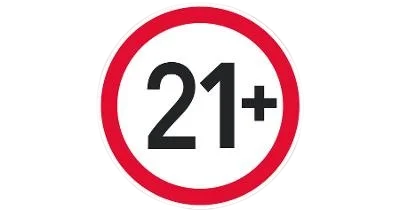
Responsible gaming is our priority. Gambling should be a form of entertainment and never a way to generate income. Please play only with funds you can afford to lose, set clear deposit and time limits, and take regular breaks. Participation is strictly prohibited for individuals under 21 years of age. If you notice signs of problematic gambling behavior, seek help promptly. Confidential support services and self-exclusion programs are available. All transactions are conducted in US dollars (USD).
Address: 1250 Market Street, Suite 402
San Francisco, CA 94103
United States 🇺🇸